Bastille Day marks the anniversary of the storming of the Bastille prison in Paris on July 14, 1789, the spark that ignited the French Revolution. More than two centuries later, it remains France’s national holiday and one of the most widely recognized dates on the world’s cultural calendar.
For a holiday so closely tied to liberty, its story reaches far beyond France, into the Caribbean, Louisiana, and the broader Latin world.
The Storming of the Bastille
By the summer of 1789, France was in crisis. Bad harvests, crushing taxes, and a monarchy increasingly out of step with its people had pushed ordinary Parisians toward open revolt. On the morning of July 14, a crowd gathered in search of weapons and gunpowder, and their search led them to the Bastille, a medieval fortress turned state prison on the eastern edge of Paris.
The Bastille held only seven prisoners that day, but its symbolic weight far outweighed its practical importance. For generations, it had stood as a monument to royal authority, a place where the king could imprison subjects without trial. When the crowd overwhelmed its garrison and freed those inside, they weren’t just seizing gunpowder. They were tearing down a symbol of absolute monarchy with their bare hands.
From Prison to Symbol
News of the Bastille’s fall spread across France within days, and it became the moment the revolution turned from unrest into transformation. Within weeks, the National Assembly abolished feudal privileges and adopted the Declaration of the Rights of Man and of the Citizen, a document that still shapes French law and identity today.
The demolition of the Bastille itself began almost immediately after its capture. Stones from the fortress were carved into miniature replicas and sold as revolutionary souvenirs, a fitting fate for a building that had come to represent everything the revolution sought to dismantle.
Bastille Day Becomes a National Holiday
France didn’t officially adopt July 14 as a national holiday until 1880, nearly a century after the storming itself. Lawmakers chose the date deliberately, but they paired it with a second, gentler anniversary: the Fête de la Fédération of 1790, a massive celebration held one year after the Bastille’s fall, when citizens from across France gathered on the same site to swear loyalty not to a king, but to the nation and its new constitution.
That dual meaning, revolution and unity, is why the French officially call the holiday La Fête Nationale, national day, rather than Bastille Day. The English name is largely a foreign invention, though it’s the one most of the world uses.
How France Celebrates Today
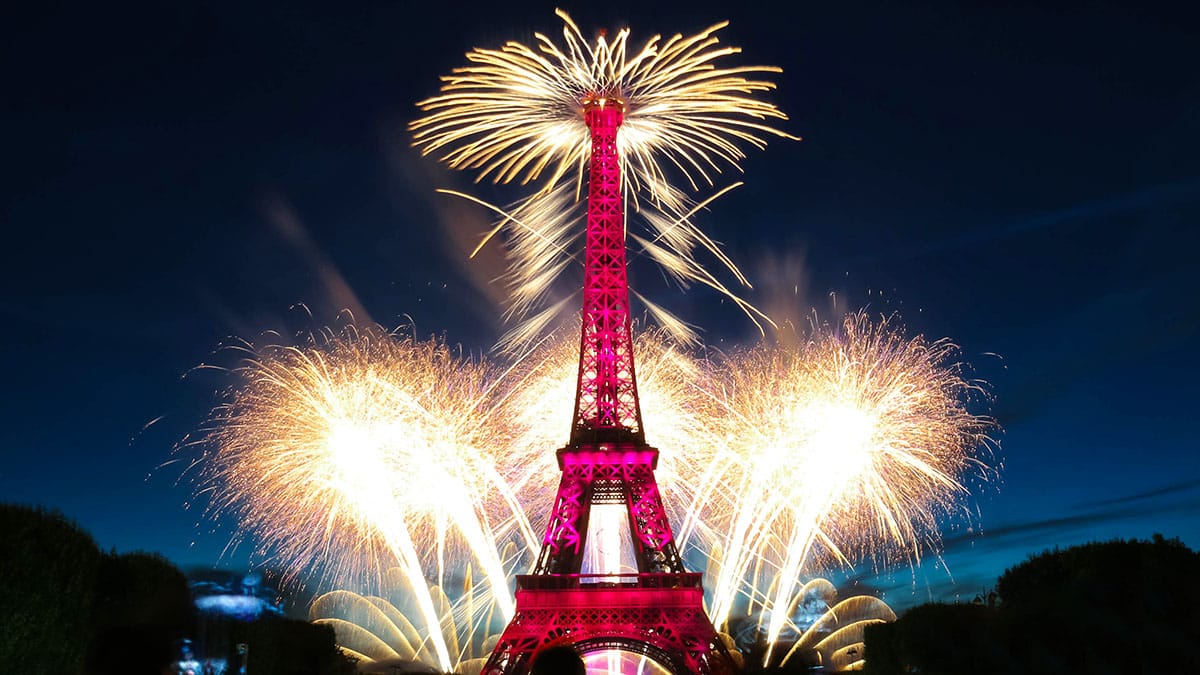
Modern Bastille Day blends solemn tradition with citywide festivity:
Bastille Day’s Global and Latin Cultural Reach
France’s revolutionary ideals didn’t stay within its own borders, and neither did July 14. The Haitian Revolution, launched in 1791, drew directly on the same language of liberty and citizenship that fueled events in Paris, and Haiti’s independence in 1804 stands as one of the most significant echoes of that era anywhere in the Americas.
The Haitian Revolution spread African and Indigenous culture across the Caribbean as far as New Orleans and Trinidad. From just those two places we got jazz and Caribbean Carnival. When the French first heard jazz played by the 369th Infantry Regiment Band (Harlem Hellfighters), they recognized something of themselves in it, and loved it.
French colonial and cultural influence still runs through much of the Latin world: French Guiana, Martinique, and Guadeloupe remain French territories today, Louisiana carries centuries of French heritage into its Creole culture, and Haiti’s language, cuisine, and history remain inseparable from France’s own.
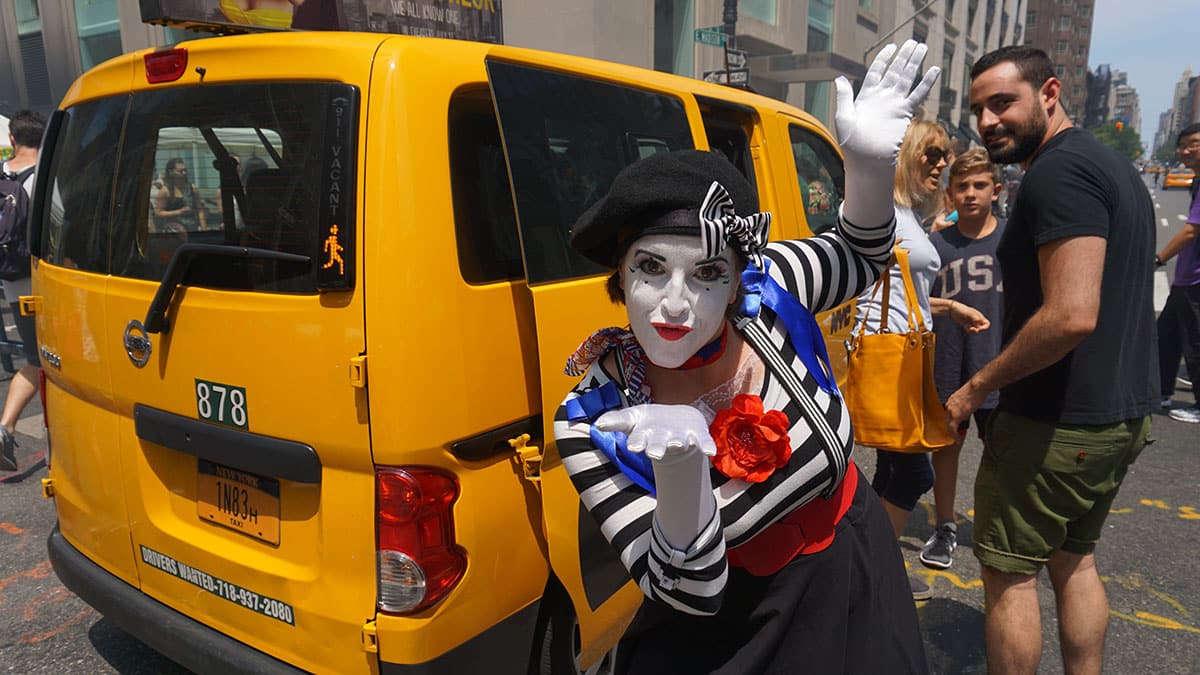
Bastille Day, celebrated each July in New York and cities worldwide, is a reminder that France sits among the mother cultures that shaped the Americas alongside Spain, Portugal, Africa, and the Indigenous nations that predate them all.
Vive la France!