
Flamenco in New York City is at Spanish social clubs, restaurants and bars, and theaters. The Flamenco Festival New York brings a new crop of Spain’s best dancers and musicians every spring. The Flamenco Certamen is the USA flamenco talent competition.
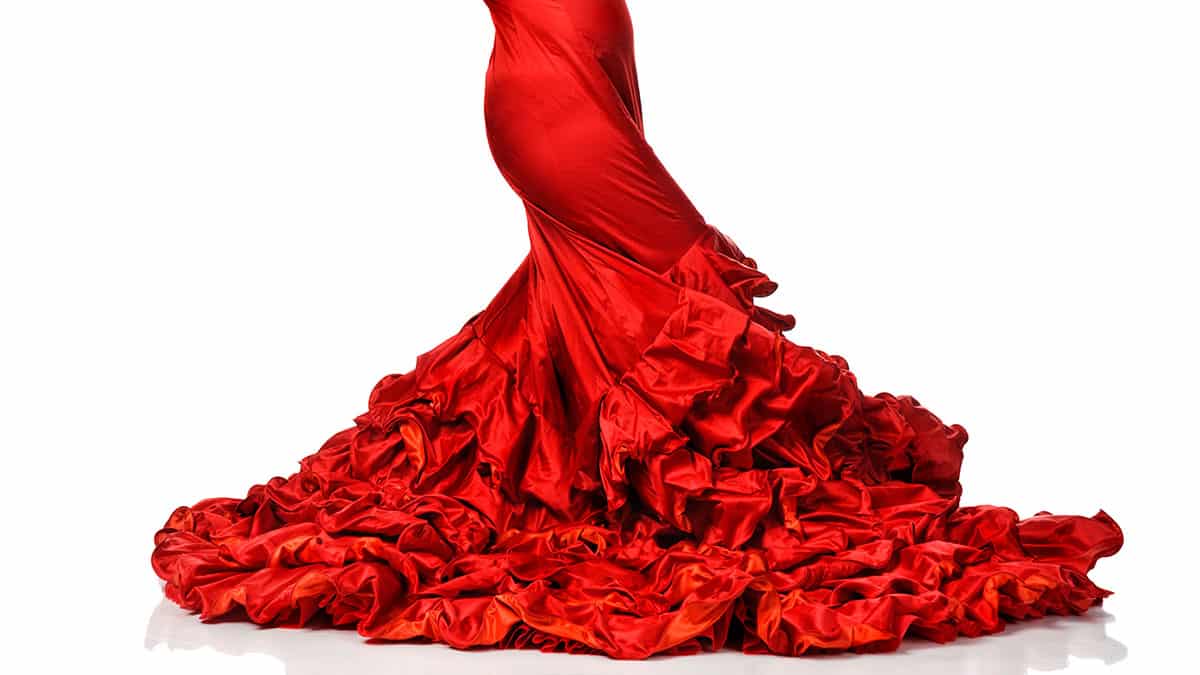
Flamenco Vivo Carlota Santana Dances Tablao Flamenco for Carnegie Hall’s “Nuestros Sonidos”
LE POISSON ROUGE, Greenwich Village, Manhattan ~ Flamenco Tablao 🇪🇸

Marina Heredia “De lo jondo a Lorca” Tributes Spanish Poet Federico Lorca for the Flamenco Festival New York
KAUFMAN MUSIC CENTER, Lincoln Square, Manhattan 🇪🇸
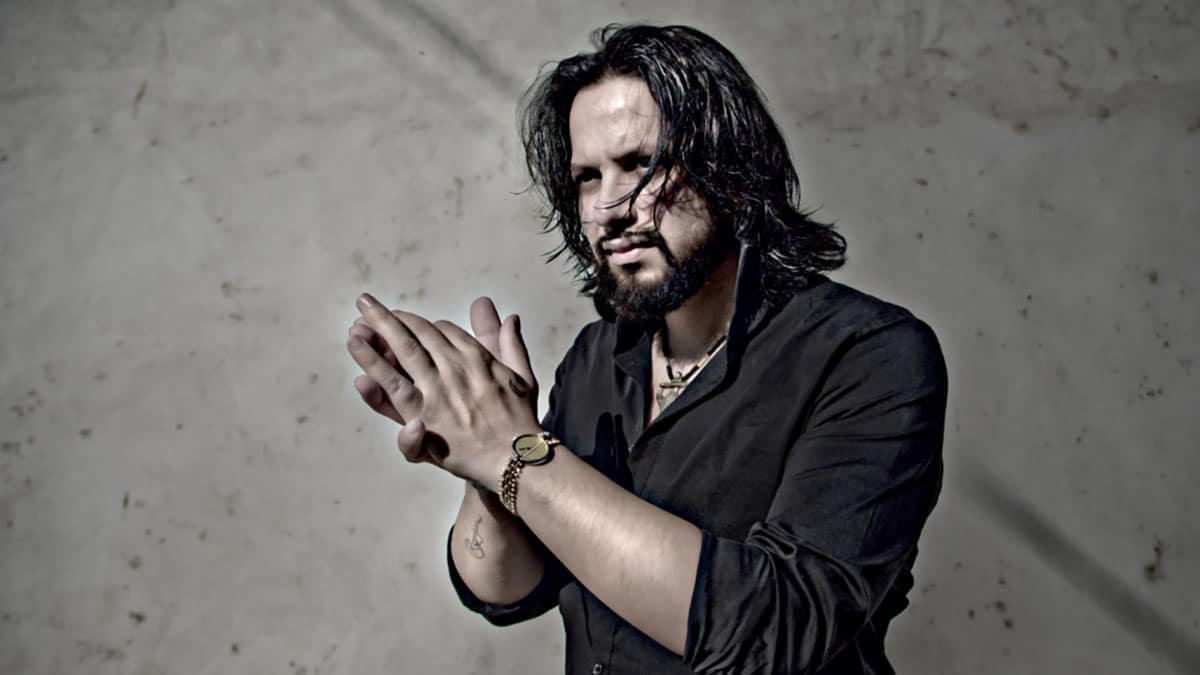
Antonio “El Turry” Gómez Searches for Duende for the Flamenco Festival New York
ROULETTE INTERMEDIUM, Boerum Hill, Brooklyn 🇪🇸
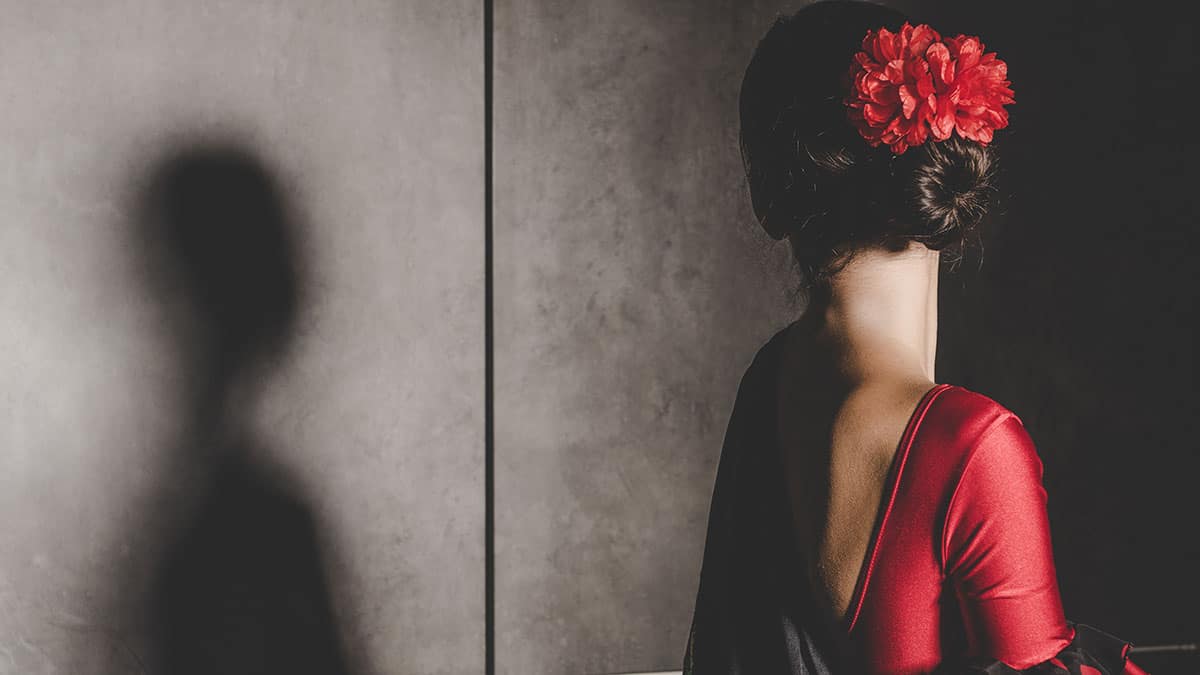
Flamenco Festival New York 2025 Pays Tribute to Granada, One of the Cradles of Flamenco
DIZZY’S CLUB at Jazz at Lincoln Center, Columbus Circle, Manhattan 🇪🇸
ELEBASH RECITAL HALL at CUNY Graduate Center, Murray Hill, Manhattan 🇪🇸
JOE’S PUB at the Public Theater, NoHo, Manhattan 🇪🇸
KING JUAN CARLOS CENTER (KJCC) at New York University (NYU), Greenwich Village, Manhattan 🇪🇸
LE POISSON ROUGE, Greenwich Village, Manhattan 🇪🇸
MERKIN CONCERT HALL at Kaufman Music Center, Lincoln Square, Manhattan 🇪🇸
NEW YORK CITY CENTER, Midtown, Manhattan 🇪🇸
ROULETTE INTERMEDIUM, Boerum Hill, Brooklyn 🇪🇸
REPERTORIO ESPAÑOL, Kips Bay, Manhattan 🇪🇸

Flamenco Festival New York City Center 2025 Brings the Best Dancers and Musicians Direct From Spain
NEW YORK CITY CENTER, Midtown, Manhattan 🇪🇸
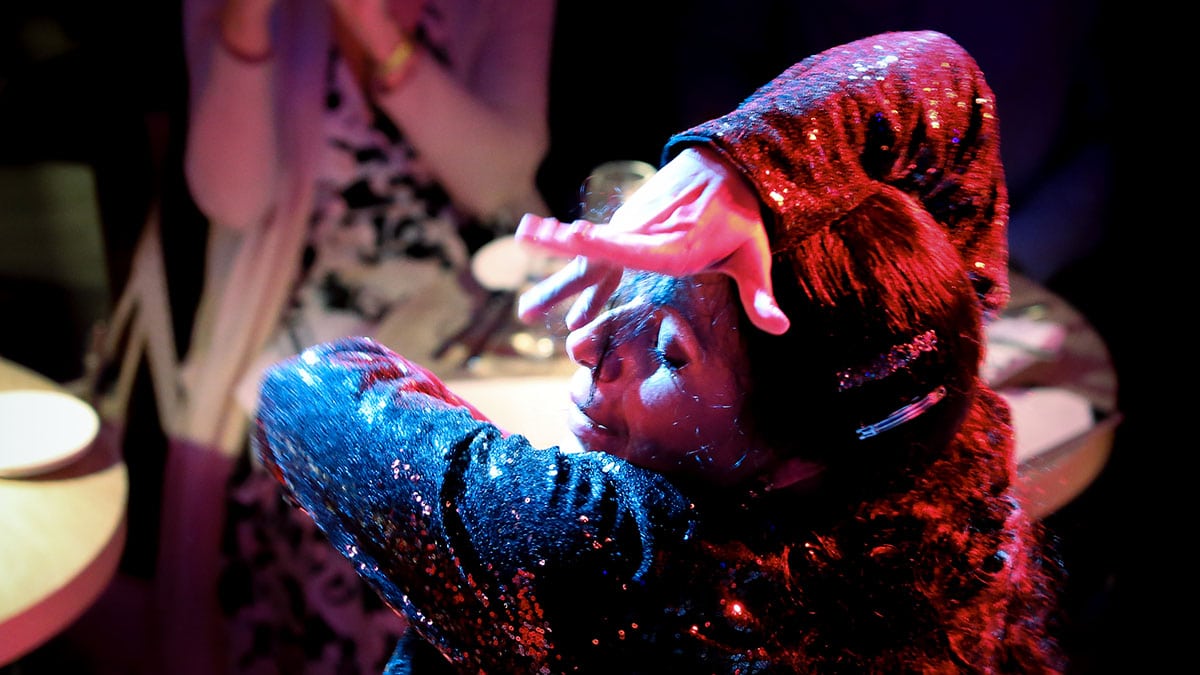
Nélida Tirado “Dime Quién Soy” is Traditional Flamenco About The Many Identities We Carry in Our Heritage
ABRONS ARTS CENTER, Lower East Side, Manhattan 🇪🇸 🇵🇷
CHEZ MESSY, Washington Heights, Manhattan (Wednesdays) 🇪🇸 🇵🇷
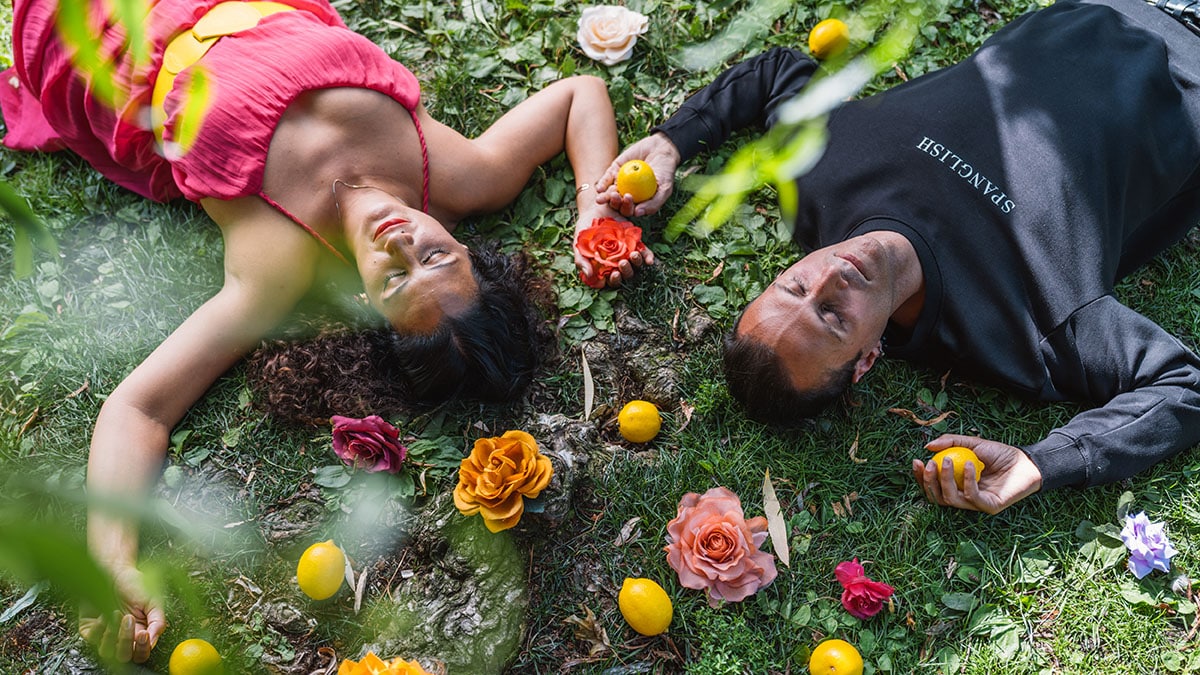
ALBA Musik Celebrates the Release of Their Second Flamenco Fusion Album “ALMA”
DROM, East Village, Manhattan 🇦🇷 🇪🇸 🇻🇪

Latin Alternative Music Conference (LAMC) Brings Alt Rock Fusions to NYC
INTERCONTINENTAL HOTEL, Times Square, Manhattan
DROM, East Village, Manhattan
CENTRAL PARK, Manhattan
SOBs, Hudson Square, Manhattan
🇨🇴 🇨🇺 🇩🇴 🇭🇰 🇮🇹 🇲🇽 🇵🇦 🇵🇷 🇪🇸 🇻🇪 🇻🇪
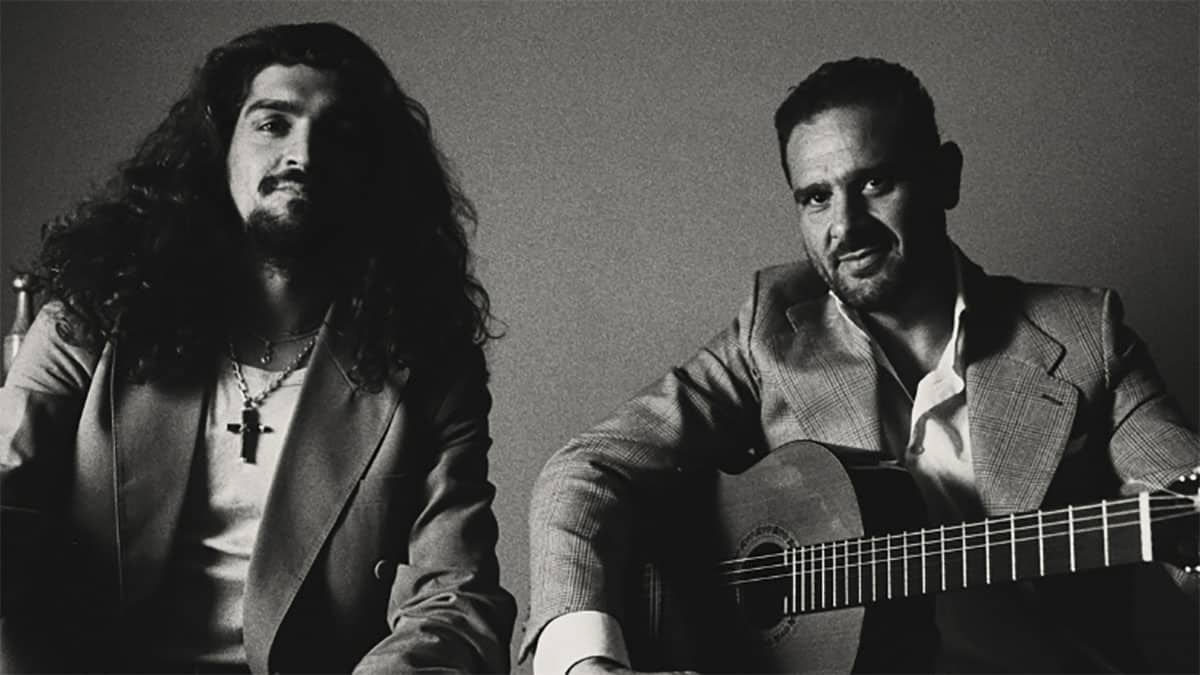
Israel Fernández Sings Traditional Spanish Romani Flamenco in a Very Modern Way
SUMMERSTAGE, Rumsey Playfield, Central Park, Manhattan 🇪🇸
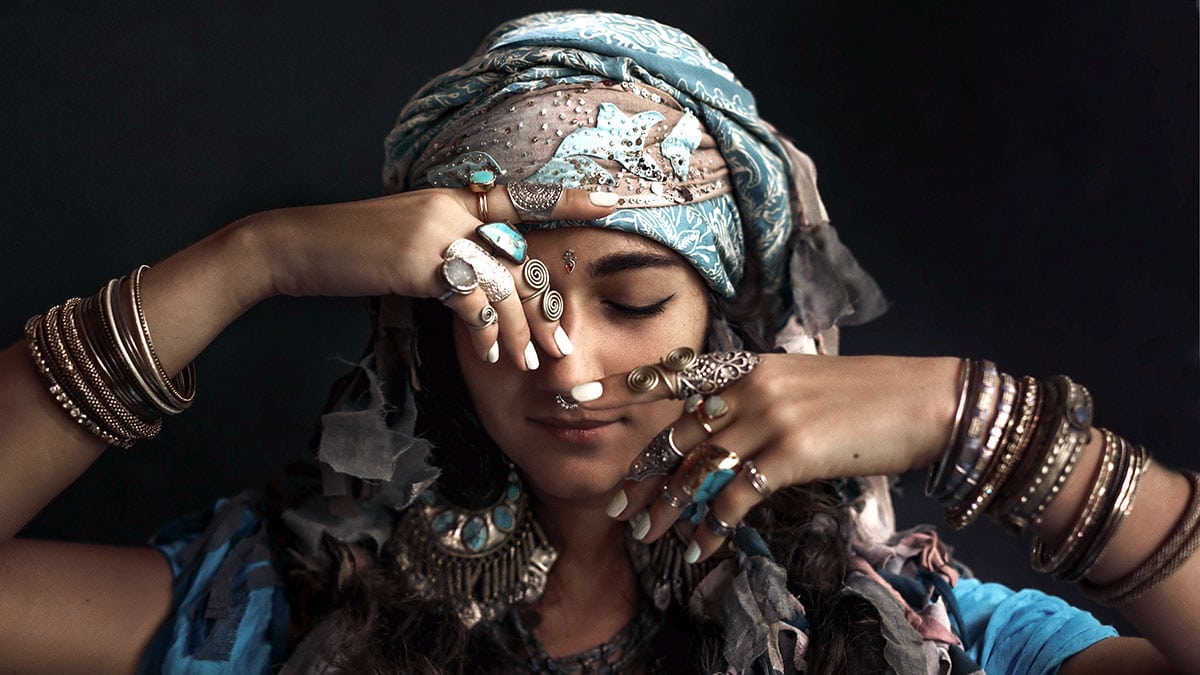
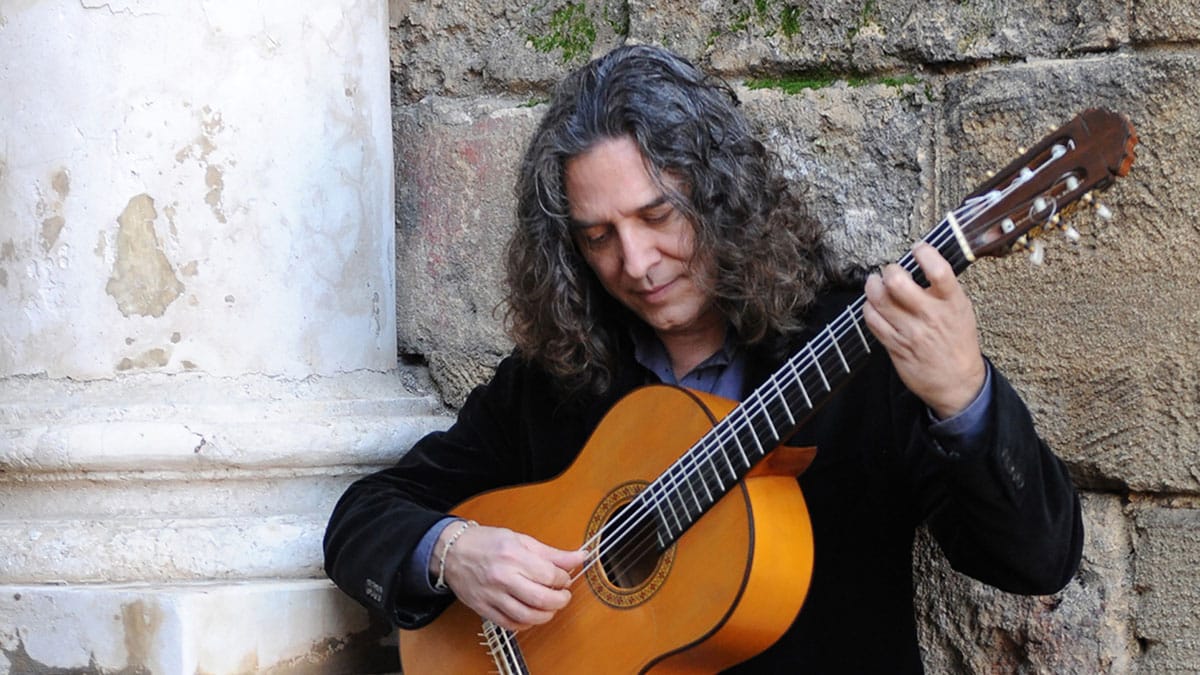
Tomatito Opens the Flamenco Festival New York for the World Music Institute at The Town Hall
THE TOWN HALL, Midtown, Manhattan ~ Multiple Latin Grammy winning Spanish Romani flamenco jazz guitarist. 🇪🇸
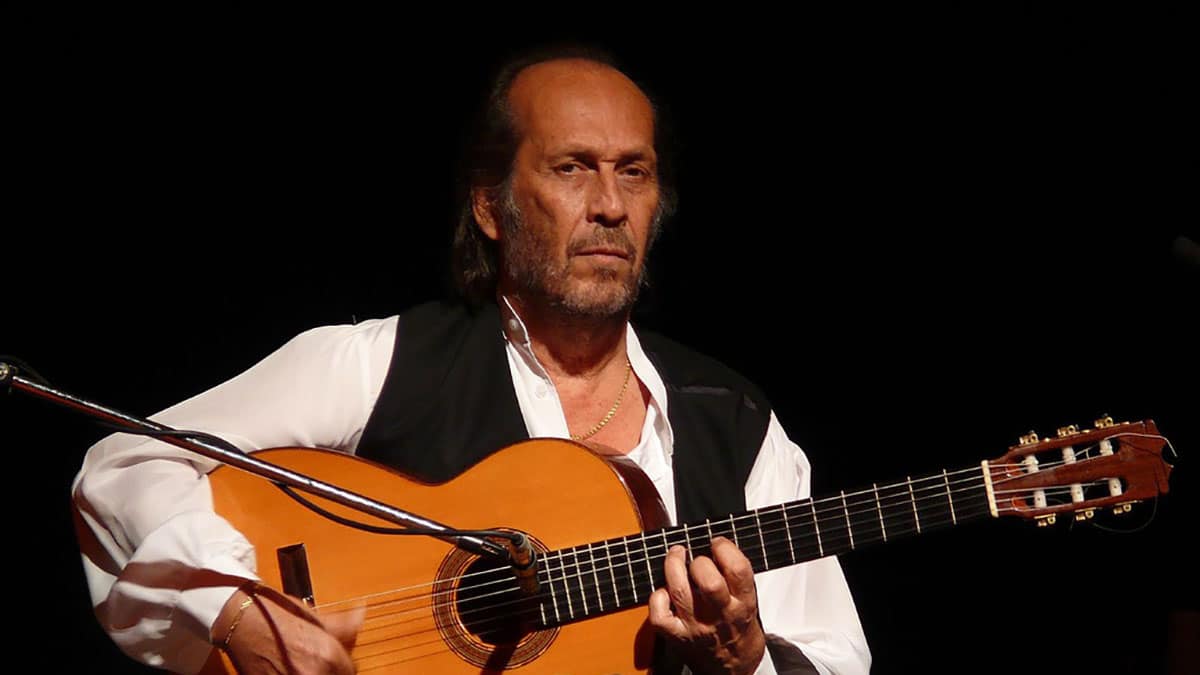
Paco de Lucía Legacy Tributes the Guitar Legend Who Fused Classical, Jazz, and Rock into New Flamenco
CARNEGIE HALL, Midtown, Manhattan 🇪🇸
INSTITUTO CERVANTES, Midtown East, Manhattan 🇪🇸
KING JUAN CARLOS CENTER at New York University, Greenwich Village, Manhattan 🇪🇸
MERCADO LITTLE SPAIN, Hudson Yards, Manhattan 🇪🇸
LE POISSON ROUGE, Greenwich Village, Manhattan 🇪🇸
SYMPHONY SPACE, Upper West Side, Manhattan 🇪🇸
THE TOWN HALL, Midtown, Manhattan 🇪🇸
QUAD CINEMA, Greenwich Village, Manhattan 🇪🇸
Sponsors
- 92nd Street Y, New York
- Carnegie Hall
- Dizzy’s Club at Jazz at Lincoln Center
- Joyce Theater
- New York City Center
- Robert Browning Associates
- World Music Institute
Thank you for sponsoring flamenco in New York City.
New York Flamenco News
New York Flamenco
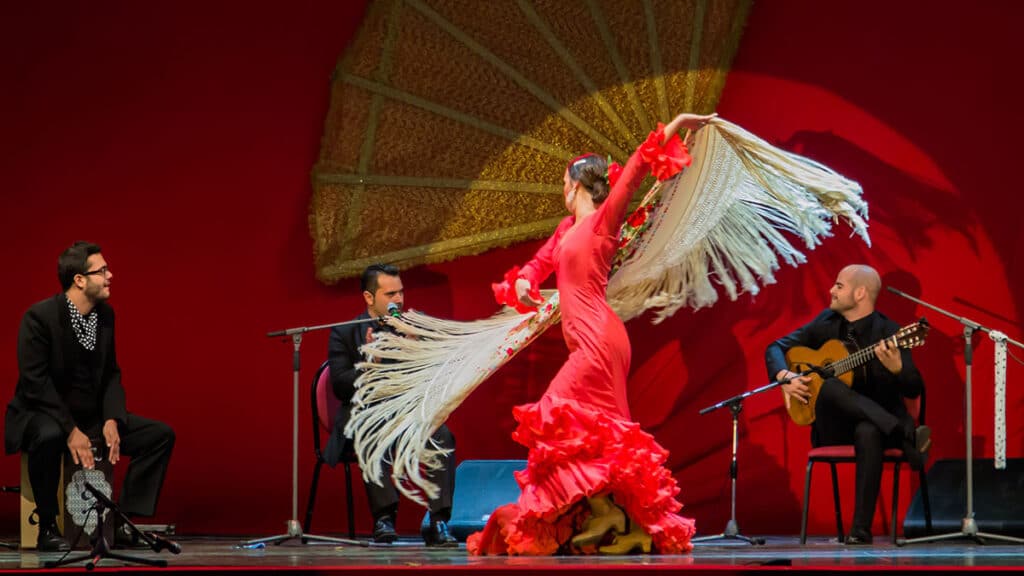
New York’s legacy flamenco dance companies are Flamenco Vivo Carlota Santana and Soledad Barrio & Noche Flamenca, but there are others now.
Flamenco is Spanish, but some Spanish flamenco traditions are from the Caribbean and South America. Caribbean flamenco dancers made New York a flamenco city.
We have a couple of great legacy Spanish flamenco dance companies, and many excellent newcomers, from both Spain and the Americas.
Flamenco Companies in NYC
- Bárbara Martínez 🇦🇷 🇻🇪
- Flamenco Latino dance company 🇪🇸
- Flamenco Vivo Carlota Santana 🇪🇸
- Nélida Tirado Flamenco Arte 718 dances and teaches traditional flamenco. 🇪🇸 🇵🇷
- Soledad Barrio & Noche Flamenca 🇪🇸
Flamenco Venues in NYC
La Nacional Spanish social club in Chelsea, and Centro Español de Queens, in Astoria, are Spanish flamenco venues. These clubs and theaters present some flamenco:
- Arts Flamenco artsflamenco.org 🇪🇸
- Elebash Hall at the Graduate Center
- Instituto Cervantes New York 🇪🇸
- Jazz at Lincoln Center
- Joe’s Pub at the Public Theater
- Joyce Theater
- Le Poisson Rouge
- Merkin Hall Kaufman Music Center
- New York City Center
- Repertorio Español 🇨🇺
- Roulette Intermedium
- Terraza 7 🇨🇴
- Thalia Spanish Theatre 🇪🇸
- The Town Hall
Flamenco Festival New York
The Flamenco Festival is produced out of Madrid. Many Spanish artists spend the holidays with their families in Spain before heading back out into the world to work in the spring.
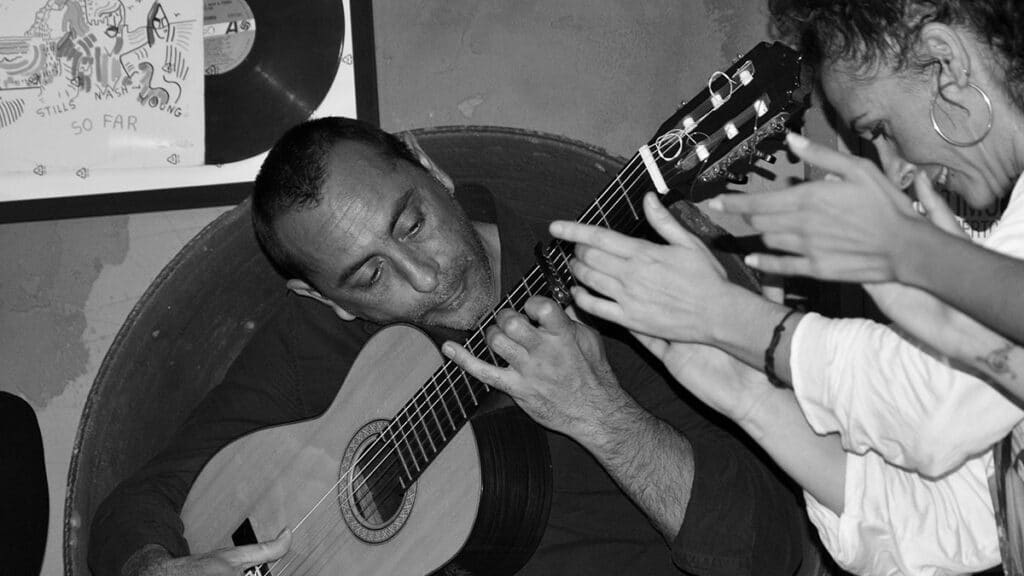
The Flamenco Festival New York brings Spain’s top flamenco musicians and dancers to venues across New York City. It is the first stop on their American tours.
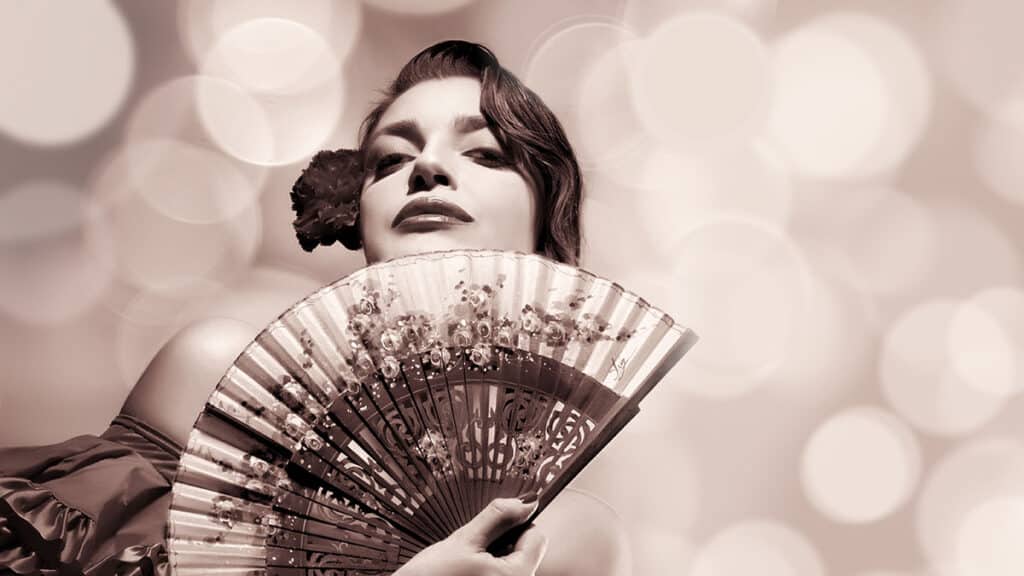
The Flamenco Festival New York City Center anchors the festival with the very best flamenco dancers and flamenco dance companies. They usually start their tour at Sadler’s Wells Theatre in London, one of the world’s most prestigious dance theaters.
The Flamenco Certamen is the USA flamenco talent competition.
Spanish Flamenco
Andalusía, the southern tip of Spain, is the flamenco heartland. Flamenco is very Spanish, but has influences from Asia and the Americas.
Flamenco is a Romani tradition. It absorbed influences along the road of the Romani migration from northern India, where they were traveling court musicians.
The road starts through what are now Pakistan, Afghanistan and Iran. A northern route passed through Türkiye and Europe. A southern route passed through Arab lands, and North Africa. The Muslim call to prayer becomes the flamenco cry, which an oriental temperament.
The cajon (African Diaspora box drum) and rumba flamenca are traditions from the Americas that have become traditional flamenco. In fact, the wealth of Iberia came from the Americas.
Purists criticize her for being from Barcelona, but Rosalía’s urban flamenco fusions have triggered a global flamenco renaissance.
This Romani Spanish dance is one of the proofs that for humans, there is no such thing as pure. We are the most beautiful mixes of each other.
Flamenco is not a source of Latin music because flamenco developed after the roots of Latin music were established in the Americas. But flamenco blends beautifully with many kinds of Latin music. It fits perfectly with clave, the African and Afro-Cuban bell pattern that defines a lot of Latin music.
¡Olé!
Some Duende
Duende is a state of relaxed concentration, that some call flow, possession, divine inspiration, or great art. It is the spirit of flamenco.
Flamenco Artists
¡Olé!